Montreal Neighbourhoods Where French and English Meet
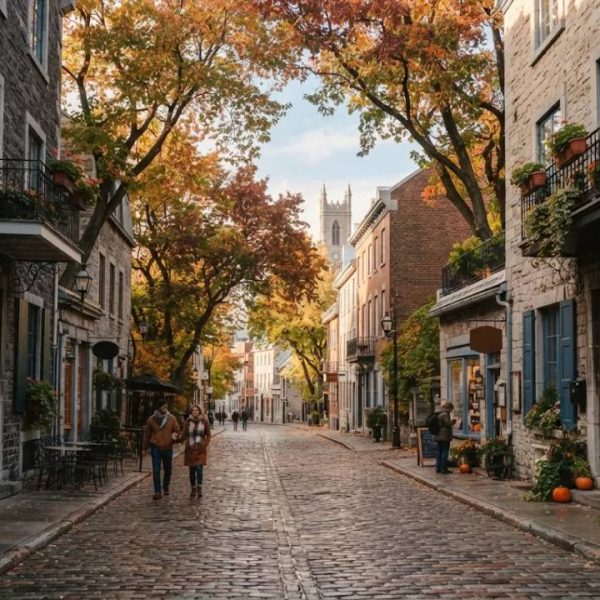
Walk down Saint-Laurent Boulevard on a Saturday and you will hear French, English, Arabic, Spanish and Italian within a single block. Montreal does not just tolerate language mixing, it runs on it. For residents, newcomers and visitors, understanding how the city balances its languages explains a lot about local culture, local news and everyday life.
A City Built on Two Languages
Montreal grew from French roots and British trade, and both left a mark. Street names, church bells and market stalls still tell that story.
Today French is the common public language, while English remains strong in business, universities and several historic neighbourhoods.
Why Neighbourhoods Feel So Different
Plateau-Mont-Royal leans French and artistic. Westmount and Notre-Dame-de-Grace carry a strong English heritage. Parc-Extension and Cote-des-Neiges are home to dozens of languages.
Each district tells a different language story, and locals navigate them without thinking twice.
Signs, Menus and Public Notices
Quebec law gives French a central place on commercial signs and public documents. Restaurants and shops often add English or other languages, but French usually leads.
Visitors who read the signs carefully learn quickly how the system works.
What Newcomers Need to Know
Moving to Montreal means dealing with forms, contracts and official letters, often in French. Many documents also require certified translation before an agency will accept them.
Our overview of Quebec skilled worker program translation shows how immigrants prepare papers correctly the first time.
Quebec French Is Not Parisian French
Quebec French has its own vocabulary, accents and expressions. A weekend is a fin de semaine, a car is often an auto, and a sweet-talker may be called a baratineur.
Businesses that ignore these differences risk sounding foreign to local customers. A specialised french canadian translation agency can adapt tone and terms to the audience.
Festivals That Speak Every Language
Jazz, comedy, film and food festivals fill the calendar from spring to autumn. Programs are usually bilingual, and many events add sign language or extra translation.
Local reporters now publish festival coverage in two or three languages to reach more readers.
Local News in a Multilingual Market
Community newspapers, radio stations and online outlets all serve different groups. Some publish in French only, others in English, and a growing number offer bilingual or multilingual editions.
Readers move between them depending on the topic, which keeps the media scene lively.
Schools and Universities
Montreal hosts large French and English universities side by side. Students often study in one language, work in another and socialise in a third.
That mix produces graduates who adapt quickly, which employers value highly.
Language Rules for Businesses
Companies operating in Quebec must respect rules on customer service, packaging and workplace communication. The provincial language office publishes guidance, and the Office quebecois de la langue francaise is the best place to check current requirements.
Small shops and large firms alike benefit from asking early rather than correcting later.
Food as a Shared Language
Bagels, poutine, smoked meat and pho all share the same streets. Menus often blend names from several cultures without apology.
Ordering becomes a small lesson in the city, one dish at a time.
Getting Around as a Visitor
You can survive in English downtown, but a few French phrases open doors. A simple bonjour before any question changes the tone of the whole conversation.
Locals notice effort and usually answer with warmth, often switching to English politely.
Community Groups and Cultural Centres
Cultural associations offer language classes, translation help and neighbourhood events. They connect newcomers with people from their own background as well as with long-time residents.
These groups quietly hold the city together between the big festivals.
What Montreal Teaches Other Cities
Language diversity can feel messy, but it creates energy, creativity and economic opportunity. Cities that treat many languages as an asset, not a problem, tend to attract more talent.
Montreal proves that two or more languages can share one public square.
Public Transport and Everyday Services
The metro, buses and city offices operate mainly in French, with English help available at major stations and service counters. Apps and websites usually let you switch languages in one tap.
Learning the basic vocabulary for tickets, directions and payments makes daily life far smoother for anyone staying more than a few days.
Why Local Stories Matter
Neighbourhood news builds a sense of belonging. A story about a closing bakery, a new mural or a school fundraiser connects people more than national headlines do.
When those stories appear in several languages, more residents join the conversation and feel the city is truly theirs.
Looking Ahead
Montreal keeps changing as new communities arrive and younger residents mix languages freely online and offline. Expect more bilingual and multilingual media, services and cultural projects.
The city will keep proving that shared streets can hold many voices at once, and that listening is the first step toward understanding.