A Newcomer's Practical Guide to Everyday Life in Montreal
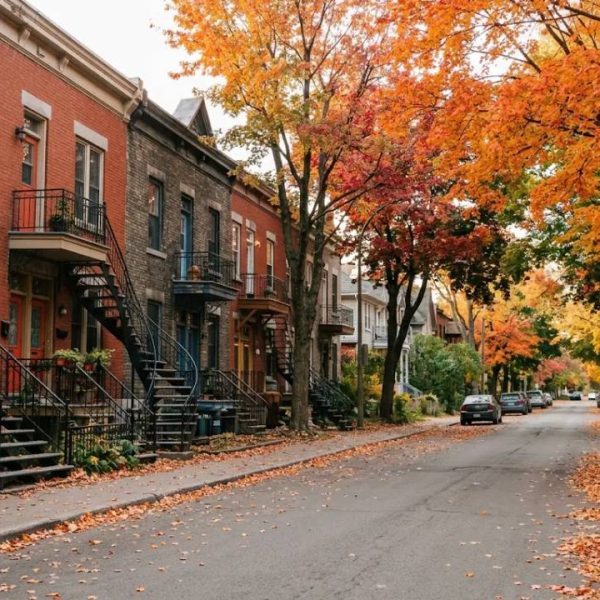
Montreal is one of the most welcoming and lively cities in North America. It is also a city with its own rules, rhythms and traditions, from the French language at the center of daily life to winters that can surprise anyone who arrives unprepared. For newcomers, the first months are a mix of excitement and paperwork. A little knowledge about how things work makes settling in much smoother and leaves more time to enjoy the city.
Understand the Role of French
French is the official language of Quebec, and it is the language of most public services, signs and workplaces. Many people in Montreal speak English as well, and the city is proudly bilingual in daily life, but learning French opens doors to jobs, friendships and full participation in community life. Even simple greetings such as bonjour and merci make a warm impression.
You do not need perfect French on day one, but a genuine effort to learn it changes how people welcome you.
Look for Free French Courses
Quebec offers language courses for newcomers, many of them free or subsidized, through government programs, school boards and community organizations. Classes are offered during the day and the evening, and some combine language with practical information about work and life in the province. Ask at your local community center about the options closest to home.
Find Where to Live
Montreal is a city of neighborhoods, each with its own character. Some areas are lively and full of cafes, others are quiet and family friendly. Compare rents, transport links and the distance to work or school. Many leases traditionally begin on July 1, and that date is famous for moving day, when thousands of households change homes at the same time. Start your search early and be careful with offers that seem too good to be true.
Learn How to Get Around
Montreal has a metro, a large bus network and commuter trains, and the city is friendly to cyclists in warmer months. A reloadable transit card makes daily travel simple, and monthly passes can save money if you commute often. Learn the street parking rules before buying a car, especially in winter, when snow removal operations require cars to be moved at short notice.
Prepare for Winter
Winters are long and cold, but they are also beautiful, with festivals, skating and snowy parks. Invest in a warm coat, waterproof boots with good grip, gloves, a hat and layers that you can add or remove. Locals say there is no bad weather, only bad clothing, and they are right. Dress carefully and you will enjoy the season instead of dreading it.
Register for Health Care
Residents of Quebec can usually register for the provincial health insurance card, though waiting periods and conditions can apply to some newcomers. Find out which documents you need, and consider private insurance to cover the gap if there is a waiting period. Know the difference between emergency rooms, walk in clinics and family doctors, and keep a list of nearby services.
Understand Your Immigration Paperwork
Newcomers often handle several applications at once, including permits, residency and work authorization. The Immigration, Refugees and Citizenship Canada website provides official information about programs, forms and processing steps. Quebec also has its own selection rules for many categories, so read both federal and provincial requirements carefully.
Prepare Documents and Translations
Official papers in other languages usually need an accurate translation before authorities accept them. Diplomas, birth certificates, police records and employment letters are common examples. This guide to Quebec Skilled Worker Program translation explains which documents are usually translated and how to avoid delays when you apply.
Connect With Your Community
Montreal is home to communities from every part of the world. The large Haitian community, for example, has shaped the city's culture, music, food and public life for decades. Community organizations often provide welcome services, translation support and information sessions. Local service providers and associations frequently use Haitian Creole translation services to share information about health, housing and legal rights in a language that people understand best.
Open a Bank Account and Learn the Tax Basics
Bring your identification and proof of address, and ask banks about newcomer packages, which often include reduced fees for the first year. Learn about sales taxes, which apply to most purchases, and about filing an annual tax return, which is how many benefits and credits are calculated. Keep your receipts and official letters in one organized folder.
Explore the City
Do not spend all your time on paperwork. Walk through Old Montreal, climb Mount Royal for the view, visit markets and try local foods. Festivals fill the calendar from spring to autumn, and many cultural events are free. Exploring the city is also the best language practice you can find.
Be Patient With Yourself
Settling into a new country takes months, sometimes years. There will be difficult days, confusing forms and moments of homesickness. Reach out to neighbors, join local groups and ask for help when you need it. Most people in Montreal remember what it was like to arrive, and many are happy to share advice.